Ready or not for my close-up

A good thing about living in a household with artistic people is that there is always someone around to sing a song, pick up the guitar, give technical assistance with Photoshop or Audacity, draw a picture or diagram, edit a draft.

This morning, before she headed to camp, I asked Grace to take a photograph of me for a post I was writing for my blog on A Sweet Life. I gave her a few suggestions: I wanted a close-up of me; fatigue or frustration would be the emotional message; and I didn’t want my facial expression to convey the message — it had to be posture or color or something else.

We sat in the kitchen at the table, she across from me. She stage-directed me. “Use two hands.” Then, “Try one hand.” Or, “Too much hair.” She’d look at the camera display screen. “Smile a little so your face is smoother, but not so much that you’re smiling.” “One more time, and sit forward.”

She picked one. Wow, it looked so stark and real. I could see a ligament in my neck where it meets the collarbone and the nasolabial fold that improves when I’m smiling. But I wasn’t smiling. Did I really want to look this plain? Couldn’t I get this junior artist to put a visual spin on it?

“Could we try Toon Camera?” I asked. Continue reading

Making a place

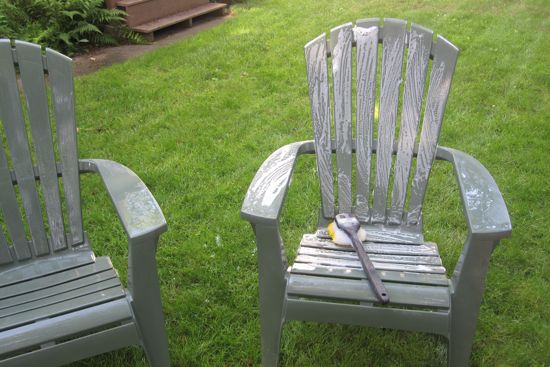
I mowed the grass and bagged all the clippings. I hesitated a moment — hadn’t enough labor been done for a day? — and then filled a bucket with water and dish soap, uncoiled the hose, and scrubbed the winter mildew and spring birdshit from the plastic Adirondack chairs.

Yes, I sat for a while and surveyed my handiwork. I wish now I had taken it one comfort further and had a beer.

Eventually, I went inside. At some point I looked out the kitchen window to visually touch base with the order I had restored, and I saw Lydia had spread a quilt out in the middle of the chair circle. There were books all around her.

She yelled, “Please bring me a camera!” I did.

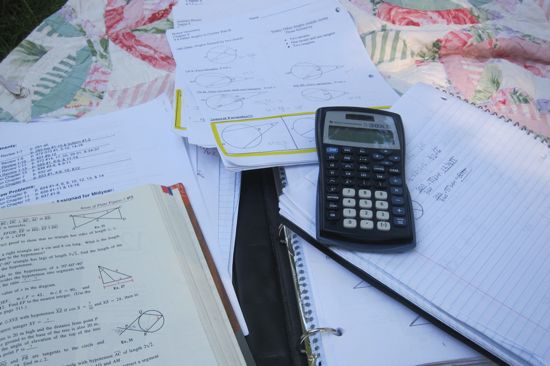
I discovered her photos later: the math textbook and worksheets on the quilt, another with her feet against a backdrop of trees, and an oblique view of her arm and a bracelet.

Nothing lasts intact. The birds and mildew will find the chairs again; the grass will grow shaggy. Already, Lydia’s math final is over and done with. Still, I feel as though something has been accomplished.

Pillars of civilization

We unloaded the two busloads of Brookline fifth graders in front of the State House. Driving up Beacon Street, with all but the gold dome hidden by trees, I had not seen the huge Bruins banner hanging from the ballustrade and down over the portico.

Massachusetts State House, June 20, 2011 @10am

Our bundle of children, parents, and teachers stood on the sidewalk as the buses pulled away and left us. I leaned over to one of the other parents and murmured in her ear, “Ah, those twin pillars of civilization, politics and sports.”

Squinting, she nodded and agreed: “Especially in Massachusetts.”

This was the first stop on our Boston architecture tour. The teachers ran it like a quiz show with points for correct answers.

Teacher: Who was the architect of the State House?

Students: Charles Bulfinch

Teacher: Which English building did he imitate?

Students: Somerset House

Teacher: Who, in 1802, covered the wooden dome with copper?

Students: Paul Revere

Teacher: Why was the dome painted black during World War Two?

To this question, there were many responses, all guesses. One student answered poetically: “It was a dark time.”

Only the parent chaperones, all in their 40s, knew the answer to this one, having heard of the wartime practice of blackout. None of us, though, had ever lived it.

It was a bright, hot day at the end of the school year. Summer beckoned. The dome sparkled. Among the lucky, we feared nothing more than sunburn, lost lunch money, and a dawdling child. Our leisurely tour through Boston history — a stand-in for the American struggle for independence — began.

A hard and bitter seed

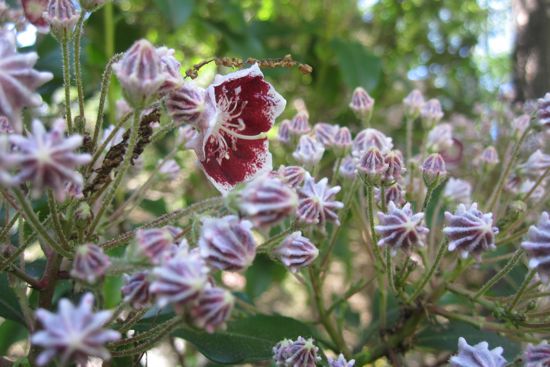
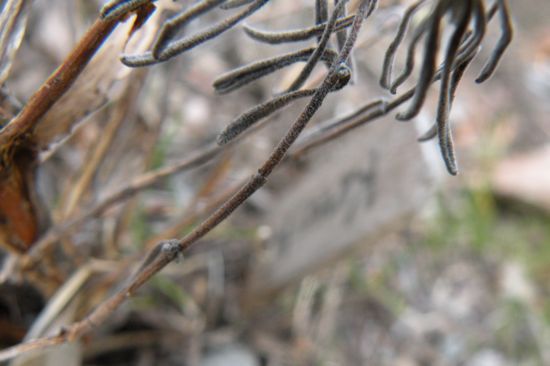
heather, brought down by winter

The first few fragments here have been knocking at the door of my attention. So I wrote them down, and then I followed one sentence with the next, the next, the next, and so on. At some point it became what we call free writing, and it ended where it did.

I hate writing.
I hate skating.
Yard work.
Teaching.
Parenting sometimes, and reading.
All of these things I supposedly love: I hate them.

That’s how I feel on the verge of doing them.

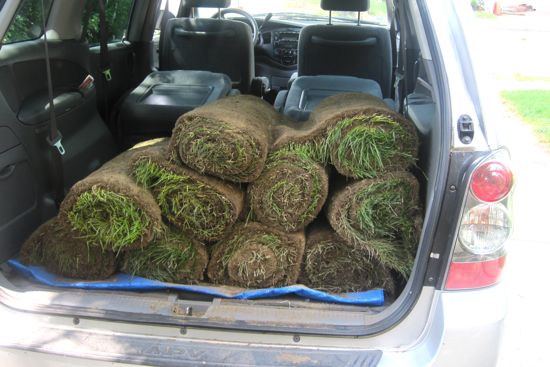
A couple of weeks ago and with enthusiasm I bought some supplies for my yard clean up. I took the afternoon off. The next day I went out there and faced what I intended to do. Tear out two old bushes and bundle them up for the town’s compost pickup. Dig up the weed patch and lay down rolled sod, heavy and awkward.  Move an azalea, in too much sun, to a shady spot, and an American cranberry bush from shade to sun.

I sat in a dirty plastic lawn chair for a while and thought how it didn’t matter, how fruitless my effort would be. Who cares, really, who will ever notice, if the azalea gets more comfort in the shade and the cranberry more berries in light? Okay, I will notice. But I won’t always live here. Some future owner will look at my non-artistic, non-modernist attempts at gardening, rip them out, and install beautifully identical boxwoods with space in between. And the old screened porch (with original and much-repaired screens), buttressed by the elderly hydrangea, will get torn down to make room for a family room. And the ferns and hostas might seem like garbage plants to a fancier owner and end up in a brown paper bag on the curb.

Still, it’s possible to begin even with a fog of pragmatic despair hanging over me, so I did.

I feel this way, too, the more and more I skate. I must be improving, right? I can look back on five years ago, and even five months ago, and say to myself, “I can do this now. I can do that.” An hour before I gather my things and car keys to leave the house for the rink, though, I say to myself, “There is no forseeable outcome to this: no contest, no show, probably no mastery.”

But then I go, because it’s on my calendar and I promised myself that I would.

And I smell the dirt, or I smell the ice, and the shovel makes a sandy, muffled sound as it connects and the hockey player over there digs in until the ice groans its particular protest which is so satisfying to the human ear, and I feel as though maybe I can begin. (Beginning is a kind of restarting.)

At first I am hating it still, but I am also giving it a chance. I say, “Jane, try ten minutes, or thirty. If nothing happens, you can stop.” I am without grace, as though I really am a beginner, yet of course I lack the utter, naive enthusiasm of the absolute beginner. I am between beginner and master, that no man’s land. Continue reading

Tightening my gardener’s belt

This year, I’m putting my yard on an austerity program. There have been a few purchases to take care of a barren spot in the backyard, which was a weed patch inherited from the previous owners that I’ve left empty while I’ve ruminated on what to plant there, but otherwise I will mostly shop for plants among what’s already growing out back.

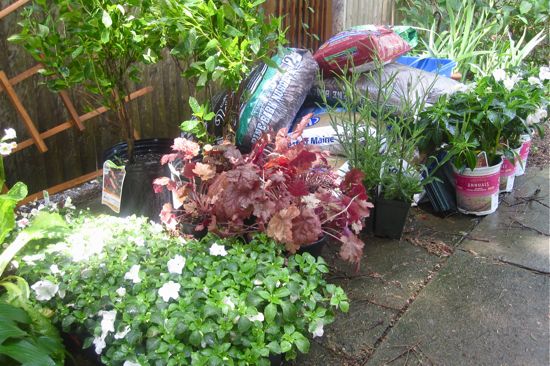
Here is the extent of what I’ve purchased, to the tune of about $150:

  • 2 clethra “Ruby Spice”
  • 3 New Guinea impatiens (white)
  • 3 verbena (blue)
  • 1 Japanese primrose (white) — my only purchase off list
  • 3 heuchera “Encore”
  • 3 trays of impatiens (assorted whites) — four plants for $1.39 at Christmas Tree Shop
  • 4 bags mulch
  • 1 flimsy trellis

ready and waiting for duty

rolled sod: heavier than it looks

From the yard, I have more than 30 irises I dug up in the fall, separated, and dumped in a bin with some dirt. These are the most forgiving perennials, and they survived winter above ground and are now starting to bloom in that bin, clamoring to be planted.

The excessive winter snow and spring rain have given a boost to the green perennials, like hostas, ferns, and Solomon’s seal, and I’ll dig some of those up, divide them, and move offspring around the yard to fill in.

my own shade plant thrift store

At my mother’s house, I noticed some ferns growing up happily among the stones in a wall, and I think I’ll browse my rock pile (doesn’t every gardener have one?) and distribute some rocks around transplanted ferns.

In the next few days, the weather looks perfect for outside labor. My goal is to get it all done in one sprint and then enjoy the yard. I have other projects to nurture without undertaking one of my intensive yard projects. To do all this, as well as scrub down the outdoor furniture, will have to be enough this summer.

Stay tuned, though: I’ve always wanted to plant some quick-growing fall crops, like lettuces, and there may be a late season experiment later on.