In the year that I started teaching (2003), I had many night dreams that I would remember and think about the next day. One especially, even though it was about Beck, seemed to be about me, and teaching.
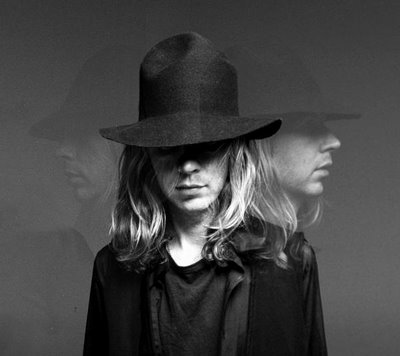
In the dream, I waited outside the Orpheum among a crowd. People pressed up against the main entrance doors. People spilled out of the alley onto Tremont Street, not bothered by the cars that edged around them. People climbed up and hung from a rickety, wooden staircase that clung to the outside wall of the building and ended at a door at balcony level. In the dream, it was a late September afternoon, the sun slanting. I had a ticket for the Beck show and could have made my way easily through the front doors, but instead I climbed the wooden stairs, pushing up and up and up, and slipped into the door at the top. Inside: darkness.
My eyes adjusted to the poor interior light, and, from the top, I made my way down balcony steps, along box seats on the side that hung from the wall, and into the door to the right of the stage. No one stood in my way or stopped me; I kept weaving in the direction I was going.
Going backstage at the Orpheum was like going backstage at my college’s auditorium: just a few stairs up, and there I was among the curtains, rigged-up lights, people in black shirts with clipboards, steamer trunks, lit Exit signs. Backstage, there is no place to sit down. Move, move, move, or stand.
I edged around a curtain, feeling it touch my back like hair, or a hand, and stood out of view of the audience yet close enough to center stage that I could see the house, performance area, and backstage at once. There was Beck, alone in front of the audience, with just his amped guitar, big hat, and a vest. He sang “Mixed Bizness.” He played hard, danced his plastic moves, and jerked his shoulders and guitar when he hit a line like “Freaks flock together.” He seemed to be possessed by the music, deep into it, as mesmerized by his performance as the audience was. Continue reading


 leaf stitch word